

Outlander Sport vs. Eclipse Cross: Mitsubishi Comparison
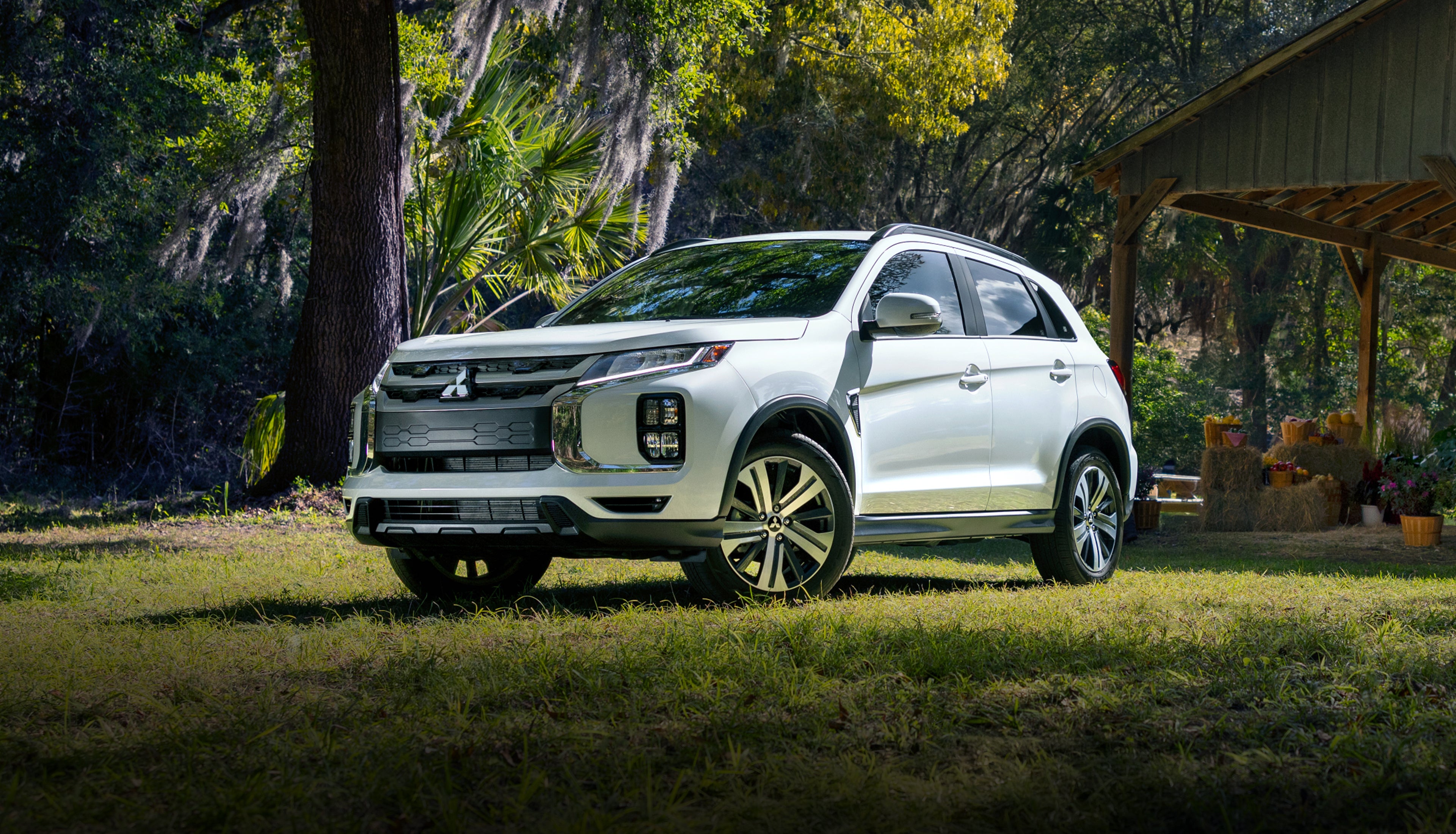
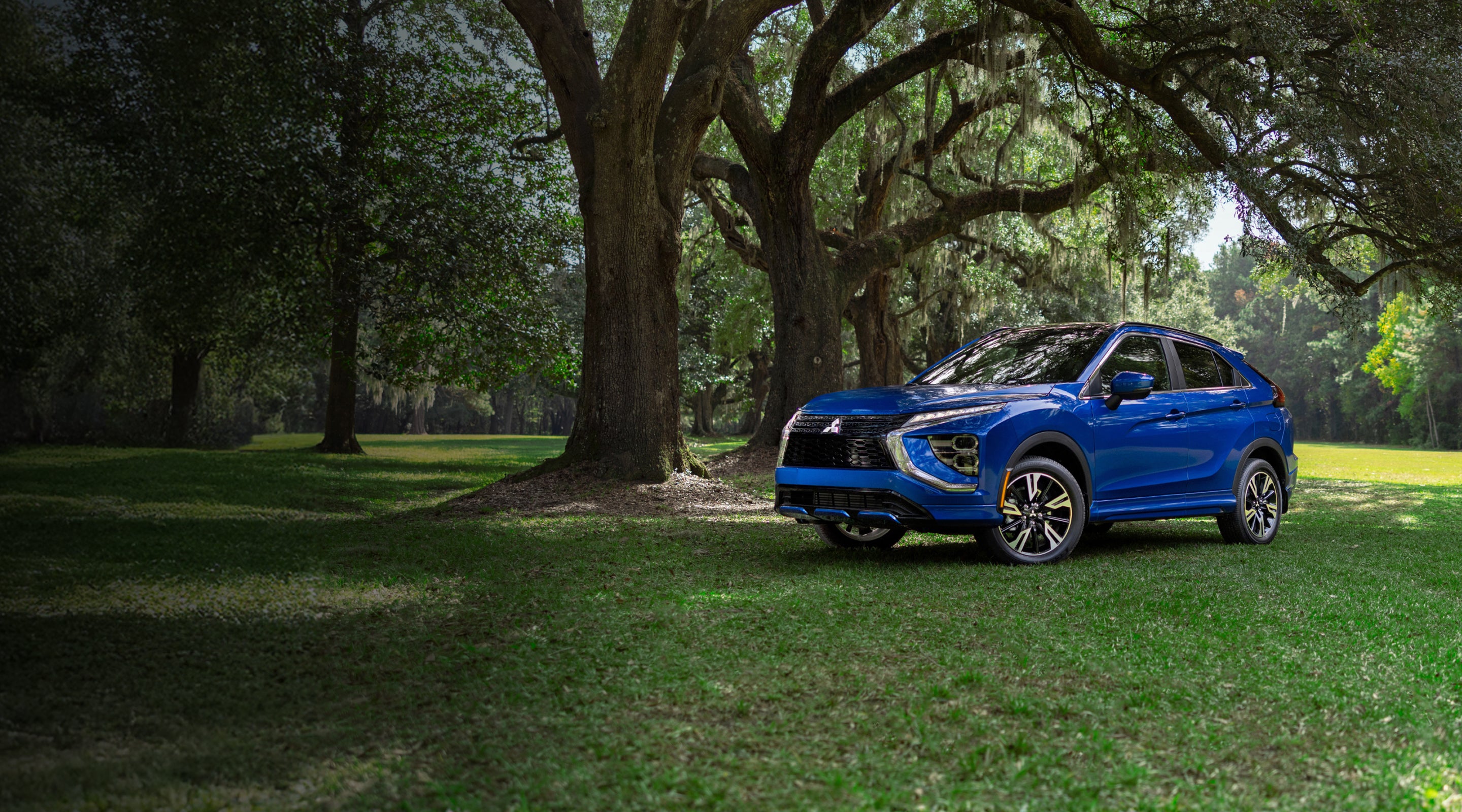
Photo Source/Copyright: Mitsubishi
The Eclipse Cross pushes out 184 pound-feet of torque, and every bit of it hits at just 2,000 revolutions per minute (RPM). Step into the Outlander Sport’s base 2.0-liter engine, and you’re looking at 145 pound-feet. A 39-pound-foot gap shows up fast when you’re pulling away from a green light on a rainy Tuesday. However, raw torque is only the easy metric to spot on a spec sheet; it isn’t the single factor that ought to settle your decision. You’re looking at two different engineering mindsets: naturally aspirated simplicity versus low-end turbocharged pull, and optional front-wheel drive versus standardized all-wheel-drive dynamics.
Engine Options and Mechanical Simplicity
Under the hood, Mitsubishi gives the Outlander Sport a pair of naturally aspirated MIVEC four-cylinder engines. The baseline 2.0-liter powers most of the lineup with 148 horsepower and 145 pound-feet of torque, while the SEL trim upgrades to a 2.4-liter making 168 horsepower and 167 pound-feet. There’s no turbocharger, no intercooler, and fewer mechanical components to troubleshoot ten years down the road.
The Eclipse Cross takes an entirely different route, with a single 1.5-liter turbocharged engine generating 152 horsepower and that 184 pound-feet of torque arriving low in the powerband. Its Continuously Variable Transmission (CVT) includes an eight-speed sport mode, giving you manual stepped control when you want to take over shifting duties.
| Feature | Outlander Sport | Eclipse Cross |
|---|---|---|
| Engine | 2.0L or 2.4L MIVEC I-4 | 1.5L Turbocharged I-4 |
| Horsepower | 148 hp or 168 hp | 152 hp |
| Torque | 145 lb-ft or 167 lb-ft | 184 lb-ft @ 2,000 RPM |
| Transmission | CVT | CVT w/ 8-Speed Sport Mode |
| Drivetrain | Front-Wheel Drive or AWC | Super All-Wheel Control (S-AWC) |
| Highway MPG | Up to 30 MPG | Up to 28 MPG |
All-Wheel Drive vs. All-Weather Control
The drivetrain strategy is where these two crossover vehicles diverge most sharply.
The Outlander Sport keeps options open for budget-conscious buyers. S, ES, LE, and SE trims come standard in front-wheel drive, which delivers the maximum 30-mile-per-gallon (MPG) highway rating. If you need winter traction, All-Wheel Control is available on lower trims and standard on RALLIART, Trail Edition, and SEL versions.
The Eclipse Cross skips front-wheel drive entirely. Super All-Wheel Control comes standard on every trim. Active Yaw Control applies subtle braking force to shuffle torque between the left and right wheels, pulling the SUV through tight corners cleanly rather than pushing wide in slick conditions.
Wheelbase, Cabin Space, and Cargo Utility
Both SUVs share an identical 105.1-inch wheelbase, but the Eclipse Cross is 7.1 inches longer overall. That extra length lives entirely in the rear overhang, expanding rear cargo volume without altering cabin agility.
The Outlander Sport uses its shorter overall footprint for tighter parking maneuvers and quick turnarounds in cramped spaces. Despite the shorter body, it retains slightly more front legroom than its larger sibling.
- Cargo (Rear Seats Up): 21.7 cu. ft. (Outlander Sport) vs. 23.4 cu. ft. (Eclipse Cross)
- Cargo (Max Volume): 49.5 cu. ft. (Outlander Sport) vs. 50.1 cu. ft. (Eclipse Cross)
- Overall Length: 171.9 in. vs. 179.0 in.
- Front Legroom: 41.6 in. vs. 40.9 in.
Trims and Practical Ownership
Both models seat five and feature standard smartphone integration, front and rear USB ports, and available heated seating across key trim levels.
The Eclipse Cross arranges six trims weighted toward upscale interior features and technology. The Outlander Sport offers seven trims across a broader price spread, making it easier to avoid paying for equipment you don’t need.
- Choose the Outlander Sport for maximum front-drive fuel efficiency, simple naturally aspirated engines, a tighter turn radius, and broader trim choices.
- Choose the Eclipse Cross for low-end turbocharged torque, standard S-AWC handling in bad weather, and maximum rear cargo space.
Test drive both models on our lot to feel the difference in power delivery firsthand. Both vehicles are backed by Mitsubishi’s 10-year/100,000-mile powertrain limited warranty. Schedule your visit today.
More From Miami Lakes Mitsubishi
2023 Mitsubishi Outlander Review: Should You Buy?
Photo Source/Copyright: Mitsubishi Many shoppers still start their car search with the 2023 Mitsubishi Outlander, and for good reason. That model year marked the settling-in phase of a complete redesign, establishing a strong reputation for offering standard seven-passenger seating and an industry-leading warranty. Whether you’re considering a brand-new model or shopping the pre-owned market,…
Why The Mitsubishi Colt Sedan Stands Out
Photo Source/Copyright: Stellantis Mitsubishi has spent the better part of the last decade leaning aggressively into crossovers and SUVs, so it’s surprisingly easy to forget that the company’s very first passenger car was no high-riding utility vehicle. It was a modest, lightweight three-box sedan. Over the decades, the Colt badge has been affixed to…
Need Help? Try Mitsubishi Roadside Assistance Now
Photo Source/Copyright: Mitsubishi How comprehensive is the safety coverage that comes with your new car? With every new Mitsubishi, roadside assistance is included, providing coverage for five years with no additional cost regardless of how many miles you drive. There’s no need to sign up or to activate it; coverage starts on the…