

Ultimate Guide to the Mitsubishi PHEV
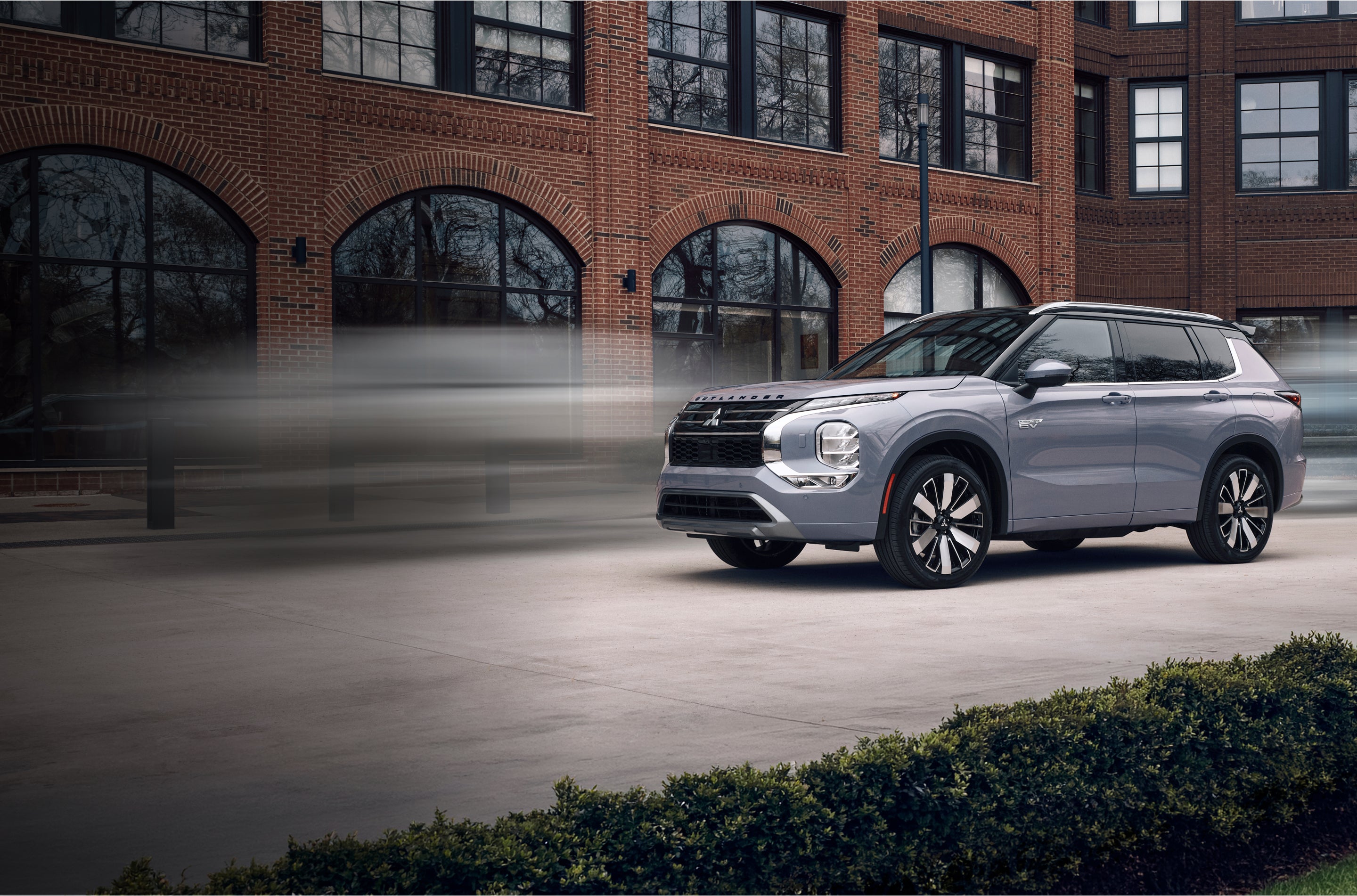
Photo Source/Copyright: Mitsubishi
Short answer first: Mitsubishi builds one plug-in hybrid electric vehicle for U.S. drivers right now, the Outlander PHEV. That might sound thin if you type “Mitsubishi PHEV hybrid” expecting a long menu, but it isn’t. Focusing on one model means every ounce of the brand’s plug-in know-how goes into a single three-row SUV with more range, power, and a quieter cabin.
One Plug-In, and the Rest Followed
Mitsubishi calls the Outlander PHEV the flagship of its U.S. fleet. Carrying the brand’s electrified reputation since 2018, it anchors the lineup while the gas Outlander runs a mild-hybrid setup and the all-new Eclipse Sportback EV serves all-electric drivers. Want to plug in at night and still keep a fuel tank for long road trips? The Outlander PHEV is your pick.
What’s Doing the Work Underneath
Two motors, one engine, and a bigger battery power the SUV. Here’s the hardware under the sheet metal:
- Gas engine: 2.4-liter four-cylinder
- Electric motors: one front, one rear
- Battery: 22.7 kilowatt-hours (kWh)
- System output: 297 horsepower
- Drivetrain: Super All-Wheel Control, standard
Mitsubishi retuned the steering and suspension as well. That upgrade never shows up on a window sticker, but the goal was a more engaging drive with added confidence. With that much electric muscle on tap, the extra tuning makes sense.
Electric Miles Before the Engine Wakes Up
Forty-five miles. That’s how far the battery can carry you on electricity alone, covering school runs, commutes, and grocery stops. Plug in overnight, and some weeks the gas engine barely gets a vote.
When it does wake up, the SUV automatically decides whether to generate electricity for the motors or drive the wheels directly. For shoppers looking for electric-vehicle (EV) style driving without range math, that quiet handoff is the whole point.
Seven Seats, Smartly Packaged
Three rows in a plug-in SUV is rare, and here it’s no accident. Mitsubishi combined the rear motor and control unit into one package, freeing up room for a third row built for carpools and short hops. When nobody is back there, it folds flat so cargo takes over; five people on Tuesday, seven on Saturday.
Inside, Quieter Than You’d Expect
The cabin received a thorough overhaul with thoughtful details:
- Audio: Yamaha Dynamic Sound with eight or 12 speakers
- Seats: cooled fronts on select trims
- Console: redesigned cupholders and armrest storage
- Phone: a redesigned charging pad
Extra sound deadening is the unsung hero here. Electric driving is hushed to begin with, and now less outside noise leaks in, so conversations with the third row stay easy.
The Refresh, by the Numbers
Every key figure went up over the previous version:
- Battery: 20 kWh previously vs. 22.7 kWh currently
- Electric range: 38 miles previously vs. 45 miles currently
- MPGe: 64 previously vs. 73 currently
- System output: 248 horsepower previously vs. 297 horsepower currently
Four trims determine the lineup: ES, SE, SEL, and the new Black Edition. The ES starts at $43,245 MSRP (excluding destination fee), and all-wheel drive comes standard on every trim.
Coverage That Outlasts the Payments
Mitsubishi backs the powertrain for 10 years or 100,000 miles. You also get two years or 30,000 miles of included maintenance and five years of unlimited-mile roadside assistance. That provides solid peace of mind for a model that has won Green Car Journal’s Family Green Car of the Year four times. Stop by or book a test drive to see how 45 electric miles fit your daily drive.
More From Miami Lakes Mitsubishi
2023 Mitsubishi Outlander Review: Should You Buy?
Photo Source/Copyright: Mitsubishi Many shoppers still start their car search with the 2023 Mitsubishi Outlander, and for good reason. That model year marked the settling-in phase of a complete redesign, establishing a strong reputation for offering standard seven-passenger seating and an industry-leading warranty. Whether you’re considering a brand-new model or shopping the pre-owned market,…
Outlander Sport vs. Eclipse Cross: Mitsubishi Comparison
Photo Source/Copyright: Mitsubishi The Eclipse Cross pushes out 184 pound-feet of torque, and every bit of it hits at just 2,000 revolutions per minute (RPM). Step into the Outlander Sport’s base 2.0-liter engine, and you’re looking at 145 pound-feet. A 39-pound-foot gap shows up fast when you’re pulling away from a green light…
Why The Mitsubishi Colt Sedan Stands Out
Photo Source/Copyright: Stellantis Mitsubishi has spent the better part of the last decade leaning aggressively into crossovers and SUVs, so it’s surprisingly easy to forget that the company’s very first passenger car was no high-riding utility vehicle. It was a modest, lightweight three-box sedan. Over the decades, the Colt badge has been affixed to…